
The Economy Survival Guide: How to Master Long-Haul Flights
Are you thinking about your next adventure but dreading the long-haul economy flight that you need to take to get there? We understand and have a few ideas and tips to help make that time in economy a little more tolerable.
Listen to our audio podcast version here: Tips for Surviving a Long-Haul Flight
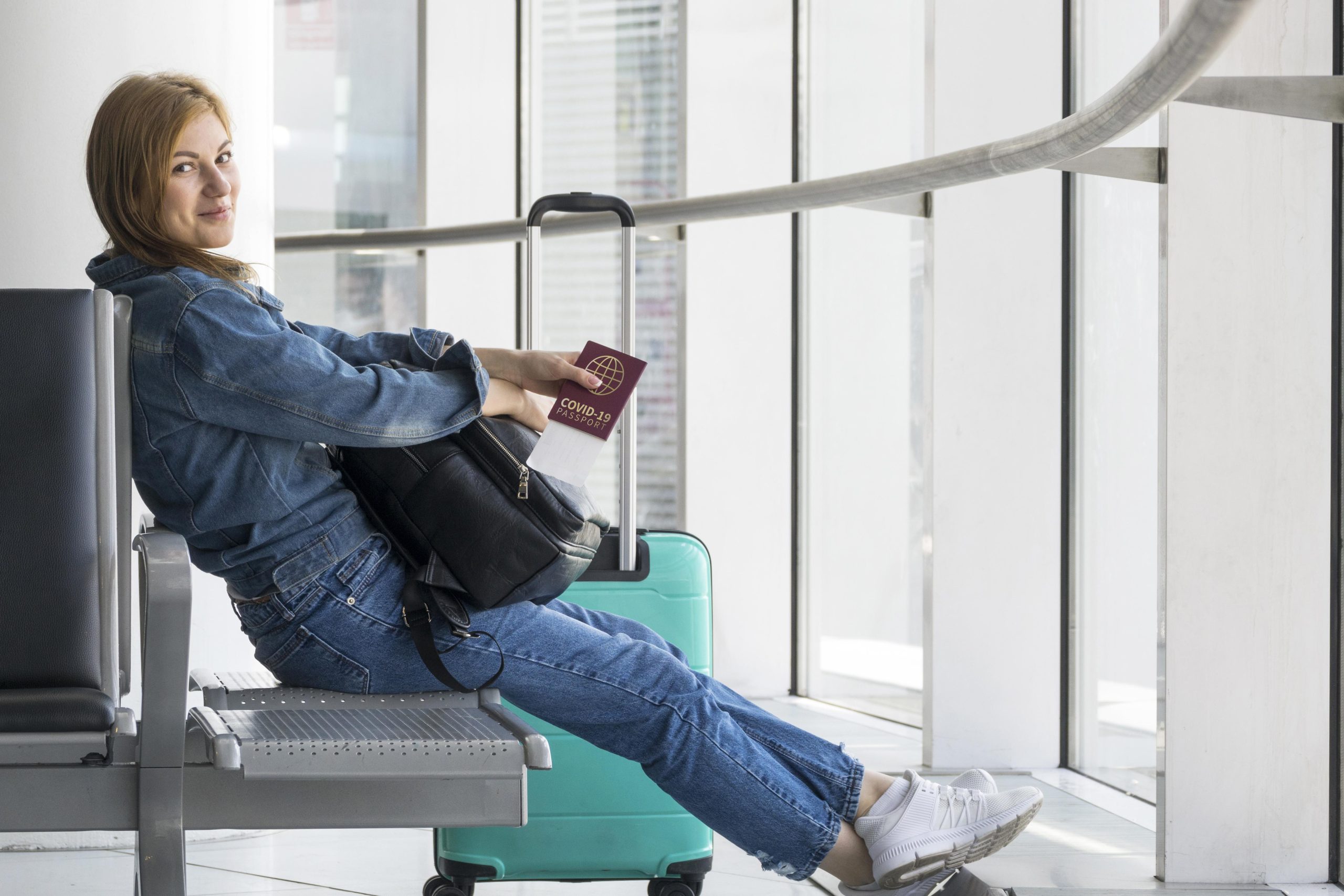
The Economy Survival Guide: How to Master Long-Haul Flights
We travel frequently, and know that staring down a 10-hour flight in economy can feel daunting. The cramped seats, dry air, and lack of sleep can leave you feeling like a zombie upon arrival.
However, if you treat your seat like a “miniature apartment” and control your environment with the right gear and strategy, you can arrive feeling surprisingly fresh.
Here is your ultimate strategy for preparing for and surviving the long haul.
Strategic Booking: The Foundation of Comfort
Your survival strategy begins long before you head to the airport.
Secure Your Territory Early: Book your flight as early as possible to increase your odds of getting a desirable seat.
Choose Your Side:
The Sleeper: If you plan to sleep and don’t want to be disturbed by neighbours, choose a window seat so you have a wall to lean against.
The Mover: If you have restless legs or need to use the restroom frequently, pick an aisle seat so you can get up without guilt.
The “Couples” Hack: If travelling in a pair on a row of three, book the aisle and the window. Since middle seats are unpopular, you might end up with the whole row to yourself; if not, the middle passenger will likely be happy to swap for an aisle or window seat
Check the Hardware: Use tools like AeroLOPA or SeatGuru (though SeatGuru is less updated now) to check your specific aircraft layout. Look out for “red flags” like the last row, which often doesn’t recline and is noisy due to the galley and lavatories.
What to Wear: Dress for the “Micro-Climate.”
Airplane temperatures fluctuate wildly, from freezing cold to sauna-like conditions.
- The Layering System: Wear loose, breathable layers. A hoodie with a zipper is ideal for temperature control, and deep pockets are great for keeping a phone or passport secure.
- Compression Socks: These are non-negotiable for long flights. They help prevent swelling, improve circulation, and reduce the risk of Deep Vein Thrombosis (DVT).
- Footwear: Wear slip-on shoes for security and comfort, but if you have “smelly feet,” please keep your shoes on for your neighbours’ sake.
The “Comfort Toolkit”: Essential Product Recommendations
You cannot rely on airline amenities to be comfortable. Bring your own survival kit.
Sleep Gear
Neck Support: Standard U-shaped pillows often push your head forward; look for a pillow that provides lateral support. The Trtl Pillow is highly recommended as a “neck stabilizer” that keeps your head upright and prevents the dreaded head bob. Alternatively, a simple neck brace can keep your head neutral.Eye Mask: A blackout mask is essential to block cabin lights and screens. The Manta Sleep Mask is a great choice because its deep eye cups don’t put pressure on your eyelids.
Earplugs/Headphones: Noise-cancelling headphones (like Bose or Sony) are a must to block out the exhausting drone of the engine and crying babies.
Tech Essentials
- Bluetooth Transmitter: If you want to use your wireless earbuds with the plane’s entertainment system, pack a Bluetooth adapter like the Twelve South AirFly.
- Power Bank: Airplane power outlets are often loose or broken. Bring a portable charger to keep your devices from dying mid-flight. A slim charger is best as it fits into tight spaces.
Ergonomics
- Foot Hammock: This device clips onto the tray table and allows you to elevate your feet, relieving pressure on your lower back. Note: Do not use this during takeoff or landing.
In-Flight Strategy: Hydration and Hygiene
The humidity on a plane is often lower than in the Sahara Desert (10–20%), making hydration critical.
- Hydrate Aggressively: Aim to drink 8oz of water every hour. Bring a large refillable water bottle, or buy one after security, so you aren’t dependent on the tiny cups the crew provides.
- Electrolytes: Water isn’t always enough. Add electrolyte packets to your water, or drink mineral-rich water (like Fiji Water) to help your body absorb hydration more effectively.
- Avoid the “Double D”: Caffeine and alcohol are diuretics that dehydrate you and disrupt sleep. It is best to skip the booze and soda to avoid feeling bloated and gassy.
- Hygiene Kit: Pack a small pouch with a toothbrush (or disposable Colgate Wisps), deodorant, and body wipes to freshen up. Because the air is so dry, bring a high-quality lip balm and moisturizer.
Managing Sleep and Jet Lag
Beating jet lag starts the moment you board.
- Set the Clock: Change your watch or phone to your destination’s time zone immediately upon boarding to mentally prepare.
- Sleep Strategy: Try to sleep when it is night at your destination. If it’s a night flight, do your normal bedtime routine (brush teeth, wash face) to signal to your body it is time to sleep.
- The Seatbelt Hack: Always buckle your seatbelt over your blanket. If the seatbelt sign turns on, flight attendants won’t have to wake you up to check if you are buckled in.
- Body Position: If you are in economy, try to recline slightly to take pressure off your spine (while being mindful of the person behind you) and use a lumbar pillow for back support.
Keep Moving
Immobility is your enemy. Sitting for 10+ hours can cause stiffness and blood clotting issues. Try to move every two hours, even if it is just “in-seat gymnastics” like ankle circles or calf raises. A fun trick is to draw the alphabet with your feet to keep blood flowing.
Final Thoughts
Survival in the economy section is about mindset and preparation. By organizing a “cabin bag” with your essentials so you don’t have to rummage through the overhead bin, and blocking out the environment with noise-cancelling tech and a good mask, you can turn a long haul into a manageable and perhaps even restful experience.
Safe travels!
Join the Freestone Travel community, where curiosity knows no bounds, exploration is a lifelong passion, and every adventure is as unique as you are.