
The Essential Guide to Expedition Cruising
If you have a spirit of adventure and a desire to discover remote and unique destinations, an expedition cruise might be the perfect fit for your next vacation. While traditional cruising focuses heavily on shipboard activities, dining, and resort-style entertainment, an expedition cruise is shaped entirely by the world beyond the ship, inspiring a sense of exploration and wonder.
This essential guide will break down exactly what you need to know about expedition cruising options, how they compare to standard ocean voyages, and what to consider before setting sail for some of the most extraordinary frontiers on Earth.
Check out the audio podcast version: Deep Dive on Expedition Cruising
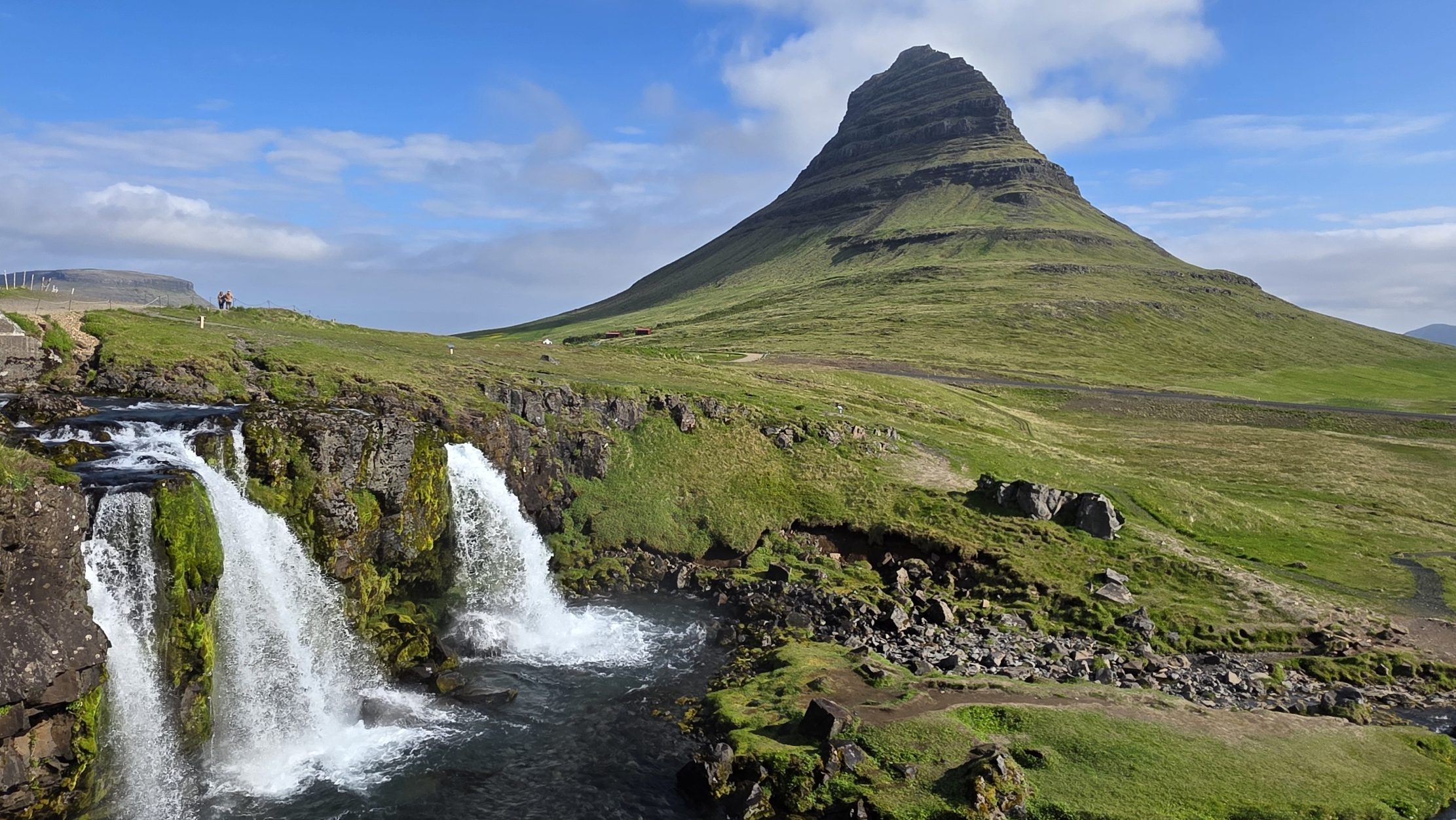
Expedition Cruising Overview
Expedition cruising is a unique style of travel focused on discovery, adventure, and immersion into remote and often inaccessible parts of the world. Instead of serving as a floating resort, an expedition ship functions as an advanced, mobile platform for accessing destinations.
These voyages take you off the beaten path to explore pristine wildernesses like Antarctica, the Arctic, the Galápagos Islands, and the Amazon. To achieve this, the vessels are typically small, agile, and often built with ice-strengthened hulls that allow them to bump through polar ice and navigate narrow, shallow waterways.
A core component of the experience is education. You will travel alongside an Expedition Team of marine biologists, geologists, historians, ornithologists, and photographers who lead daily excursions, deliver onboard lectures, and help you engage in Citizen Science projects, making your journey both educational and engaging.
How Expedition Cruising Compares to Traditional Ocean Cruising
If you are used to massive ocean liners, the expedition experience will feel vastly different. Traditional ocean cruising relies on economies of scale, using massive vessels to transport thousands of passengers to well-travelled coastal destinations. The pace of a regular cruise is leisurely, with predictable itineraries and endless onboard entertainment options, such as casinos and Broadway-style shows.
Expedition cruising is intentionally flexible; your daily schedule is dictated by shifting ice, changing weather, and spontaneous wildlife sightings. Instead of docking at large commercial ports, you will anchor in remote bays and use small, heavy-duty inflatable rubber boats called Zodiacs to make “wet landings” on rugged beaches.
Comparison Table of Expedition Cruise Itineraries versus Traditional Ocean Cruises
Feature | Expedition Cruising | Traditional Ocean Cruising |
Ship Size & Capacity | Small and nimble; typically 50 to 200 passengers. | Massive floating resorts; typically 2,000 to 7,000+ passengers. |
Destinations | Remote wilderness, isolated islands, and environmentally sensitive areas. | Mainstream deep-water ports and major urban tourist hubs. |
Itineraries | Highly dynamic and unpredictable; changes based on weather and wildlife. | Rigid, pre-determined timetables with fixed port arrivals. |
Onboard Focus | Education, lectures, science centers, and observation lounges. | Entertainment, casinos, waterparks, and multi-tier theatres. |
Off-Ship Activities | Zodiac excursions, guided wilderness hikes, kayaking, and wildlife watching. | Shopping, standard bus tours, beach resorts, and independent city exploration. |
Comparison Table of Different Expedition Cruise Itineraries
Destination | Highlights | Best Suited For |
Antarctica | Massive icebergs, vast frozen wilderness, penguin colonies, seals, and whales. | Bucket-list adventurers and wildlife enthusiasts who are prepared to cross the Drake Passage or fly directly to the ice. |
The Arctic (Svalbard, Greenland) | Polar bears, walruses, deep fjords, towering glaciers, and indigenous Inuit culture. | Curious explorers looking for a mix of dramatic icy landscapes, rare Arctic wildlife, and fascinating cultural history. |
The Galápagos Islands | Extreme biodiversity, giant tortoises, marine iguanas, and tropical snorkelling. | Families, multi-generational groups, and conservationists who want intimate, up-close animal encounters in warmer weather. |
The Amazon River | Jungle treks, pink dolphins, toucans, and visits to small river villages. | Nature lovers looking for a shorter, culturally immersive, warm-water expedition. |
Alaska & The Pacific Northwest | Whales, bears, the Tongass National Forest, and kayaking near tidewater glaciers. | Active outdoor enthusiasts who want to avoid the crowds of mainstream Alaskan cruise ports. |
Which Itineraries are Best for First-Time Expedition Cruise Travellers
If you are new to expedition cruising, consider starting with one of these approachable itineraries:
- Svalbard, Norway (The Arctic): This relatively compact archipelago sits between mainland Norway and the North Pole. It offers a stellar introduction to the High Arctic. In just an 8- to 11-day trip, you can experience a taste of everything: glaciers, polar bears, reindeer, and massive bird colonies, making it highly rewarding for first-timers.
- The Galápagos Islands: If you prefer warm weather over polar ice, this is the perfect starting point. The Galápagos operates year-round and features incredibly tame wildlife, making it highly accessible and a fantastic choice for families or older travellers.
- Antarctica Fly-Cruise: If Antarctica is your ultimate goal but you fear the notorious “Drake Shake” (rough seas), you can book a “fly-cruise”. You will take a private charter flight directly from Chile to King George Island, skipping the rough ocean crossing entirely and immediately boarding your expedition ship.
Common Expedition Cruise Questions
Activity Level & Mobility You do not need to be an elite athlete or mountaineer to enjoy an expedition cruise, but you should feel confident in your mobility. Being able to walk unassisted on uneven ground, climb a few flights of stairs, and maintain your balance on a moving surface will help you feel secure and prepared for your journey.
The “Zodiac Shuffle”: The single most critical physical skill on your trip will be getting into the Zodiac boats. You must be able to walk down a steep gangway, grip a crew member’s arm using a “sailor’s grip,” and step onto a small, bobbing rubber boat. Once seated, you will need the core strength to sit upright without back support for 30 to 90 minutes as the boat chops through the waves.
Wet Landings. There are rarely dry docks in the wilderness. You will routinely perform “wet landings,” which require swinging your legs over the side of the Zodiac and stepping into knee-deep, freezing water (wearing waterproof muck boots provided by the ship). You will then walk across slippery, ice-glazed cobblestones or deep snow.
Risk of Seasickness: If you are crossing open waters such as the Drake Passage, seasickness is a valid concern. Modern expedition ships are equipped with advanced stabilizers that significantly reduce side-to-side roll, but you will still feel the motion. It is highly recommended to bring motion sickness medication and take it before the seas get rough.
Weather & Packing In polar regions, the weather is wildly unpredictable. Sun, wind, snow, and rain can all occur in a single day. The secret to comfort is layering. You will need a waterproof and windproof jacket, waterproof trousers, and base layers. Fortunately, most polar expedition cruise lines provide a complimentary, high-quality expedition parka for you to keep, as well as insulated waterproof boots for you to borrow during the voyage.
Frequently Asked Questions
Is an expedition cruise expensive? On paper, expedition cruises come with a higher upfront price tag—averaging around $15,000 per person and sometimes reaching $45,000 for longer voyages. However, they offer superlative value because they are highly inclusive. The upfront fare generally covers everything: expert-led excursions, Zodiac rides, specialized gear (like parkas), gratuities, Wi-Fi, and often beer and wine. When you factor these inclusions in, the value is phenomenal.
Are there age limits for an expedition trip? There is generally no upper age limit for expedition cruising, provided you have the necessary mobility to board the Zodiacs safely. It is common to see travellers in their 70s and 80s enjoying these trips. There is, however, usually a minimum age requirement for children—typically around 8 to 10 years old—for safety reasons.
Can I opt out of shore landings if I am tired? Absolutely. Participation in off-ship activities is 100% optional. If you are feeling tired or if the weather looks too daunting, you are always welcome to stay on board, relax in the observation lounge, or enjoy the ship’s spa.
Planning Help
Because expedition cruising ventures to the most remote corners of the globe, planning requires careful attention to detail. From choosing the right ice-class vessel and deciding between a classic Drake Passage crossing or a fly-cruise, to ensuring you have the proper medical clearance and travel insurance, you shouldn’t do it alone.
Ready to start your adventure? Reach out to your Freestone Travel advisor today to match your fitness level, budget, and wildlife bucket list to the perfect expedition ship. We can help secure exclusive perks, arrange your flights, and handle the complexities of expedition travel from start to finish. Contact us to get a custom, no-obligation quote and start planning the journey of a lifetime!
Join the Freestone Travel community, where curiosity knows no bounds, exploration is a lifelong passion, and every adventure is as unique as you are.