
The Essential Guide to Solo Travel
Solo travel is no longer a niche pursuit; it is a mainstream movement that is one of the fastest-growing segments in the travel industry. Solo travel can offer one of the most transformative, liberating experiences you can undertake. Stepping out of your comfort zone and into the world alone allows you to drop the “background noise” of your daily responsibilities and discover who you are when you aren’t performing your usual social roles. Solo travel builds incredible resilience, boosts self-confidence as you solve problems independently, and offers a quiet space for introspection and mental clarity. Without the familiar scaffolding of companions, you are free to set your own pace and create deeply authentic connections with locals and fellow travellers.
This guide breaks down what you need to know about solo travel and helps you prepare for your next adventure.
Check out the audio podcast version here: Deep Dive on Solo Travel
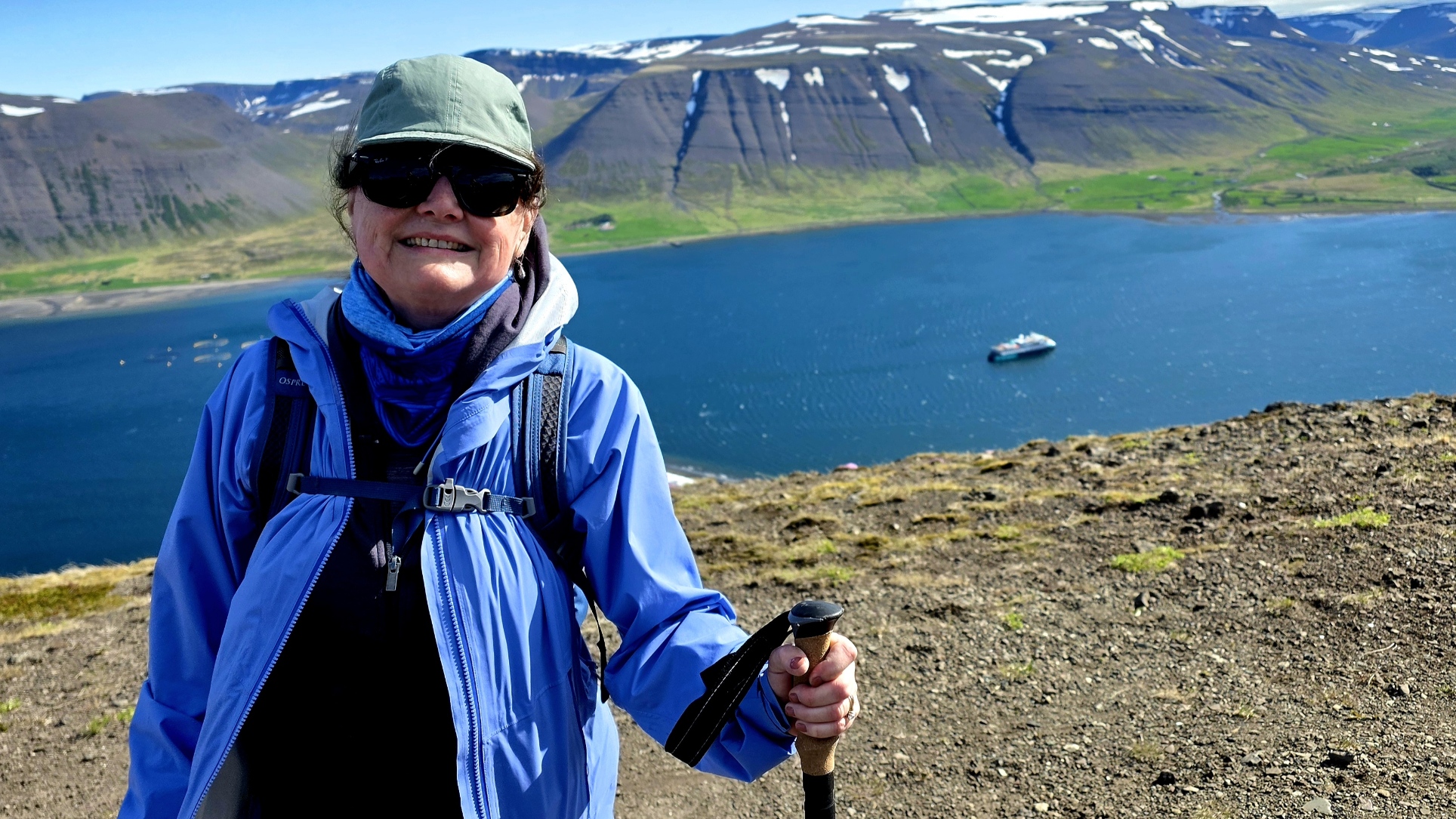
Solo Travel Overview: Choosing Your Travel Style
When embarking on a solo adventure, you generally have two main paths to choose from:
- Fully Independent Travel: This is the ultimate expression of freedom. You are the architect of your entire journey, managing all planning, logistics, bookings, and daily schedules. You travel alone, relying on your own navigation and decision-making skills to move from place to place. The itinerary is yours alone, and you have the ultimate freedom to adjust as you go.
- Organized Group Tours for Solo Travellers: If you are new to solo travel and/or want the independence of arriving alone while enjoying the comfort of a structured environment, small-group travel is an excellent alternative. These tours provide a set itinerary, pre-planned accommodations, a dedicated guide, and a built-in network of fellow travellers, allowing you to experience destinations socially and securely. Many operators now offer tours specifically for solo travellers, so your entire group would consist of people like you stepping out to explore the world.
Crucial Considerations for Solo Travellers
Travelling alone means you are your own backup plan, which requires precautions that group travellers might not need to think about.
- Safety Precautions: Always share your itinerary, flight details, and accommodation addresses with a trusted contact back home. Keep a dummy wallet with expired cards and a few dollars to hand over in case of a mugging, and keep your real valuables hidden. Never accept drinks from strangers, and always cover your drink in bars to prevent it from being spiked. Be extremely wary of unsolicited help or overly friendly strangers who offer to take you to a local bar, as this can be a setup for the “teahouse scam,” in which you are extorted into paying an astronomical bill.
- Navigation: Take advantage of digital tools as they can be your “solo travel assistants.” Ensure you get an eSIM to enable data in your destination and take advantage of WhatsApp, which is widely used for communication outside of North America. Before you land, pre-download offline maps (like Google Maps) and translation apps to your phone so you aren’t stranded if you lose cell service or Wi-Fi. Walk with confidence and purpose; if you get lost, step into a shop or cafe to check your phone rather than fumbling with a map on the sidewalk and making yourself a target for the growing trend of phone snatching.
- Dining and Socializing: Embrace sitting at the bar when dining out—it is one of the best ways to strike up a conversation with the bartender or other solo diners. If someone asks, be vague about your solo status; tell strangers you are on your way to meet a friend.
Fully Independent Travel vs. Organized Group Tours
Fully Independent Travel
- Pros: Maximum freedom and flexibility to customize your itinerary, sleep in, or change plans on a whim. It is incredibly empowering, builds immense self-confidence, and allows you to control your budget tightly.
- Cons: It can occasionally get lonely, and the constant logistical demands of navigating, booking, and planning can lead to decision fatigue. You also have to be hyper-vigilant about your personal safety.
Organized Small Group Tours
- Pros: Enhanced safety and security, as there is safety in numbers and a guide to steer you away from dangerous areas. It eliminates the stress of planning and offers guaranteed socialization and shared memories with new friends. Costs are also fixed up front, so the bulk of your travel expenses (transportation, hotels, etc.) are paid before you leave.
- Cons: Less flexibility and freedom. While there is often personal time built into the program, you are ultimately tied to the tour’s itinerary, with less room for spontaneous detours. You may have to compromise on daily activities and dining, and finding moments of quiet personal space can be a bit more challenging.
Best Destinations and Itineraries for First-Time Solo Travellers
If you are a beginner, it is best to choose destinations with strong tourist infrastructure, low crime rates, and English-friendly environments.
- Japan (Tokyo & Kyoto): Consistently ranked as one of the safest countries in the world, Japan is arguably the best destination for a first solo trip. The country celebrates hitori (solo) culture, making dining alone at sushi counters or ramen booths completely normal. The public transit is pristine and efficient.
- Portugal (Lisbon & Porto): Portugal is incredibly safe, highly walkable, and much more affordable than other Western European destinations. Lisbon is famous for its vibrant, award-winning hostel scene, making it effortless to meet fellow travellers.
- Thailand (Bangkok & Chiang Mai): The ultimate budget-friendly introduction to Southeast Asia. Thailand has a well-worn backpacker trail, incredibly cheap and delicious street food, and a massive community of digital nomads and solo travellers.
- London, England: Perfect for those who want zero language barriers. London offers an exceptional public transportation system, endless free museums, and a cosmopolitan vibe that is easy to navigate on your own.
The Solo Travel Packing List
When you travel solo, you are responsible for carrying your own bags up stairs, onto trains, and down cobblestone streets. Carry-on only is highly recommended to keep you mobile and reduce the risk of lost luggage.
Clothing (The Capsule Wardrobe):
- Maximum of 3 pairs of shoes: comfortable walking/running shoes, a dressier pair (like loafers), and flip-flops or sandals.
- 3-4 versatile tops and 3 bottoms (jeans, lightweight travel trousers, running shorts).
- 1 lightweight, packable rain jacket or fleece.
- 5-8 pairs of quick-dry underwear and 3-4 pairs of socks.
- Tip: Roll your clothes to save space and tie dirty items into compact knots to keep them separate.
Safety & Tech Gear:
- Universal travel adapter and a reliable power bank (a dead phone is a major safety liability).
- Portable door lock or security alarm for your hotel/hostel room.
- Cross-body bag or anti-theft daypack with hidden compartments.
- Headlamp or small flashlight.
Documents & Health:
- Physical and digital copies of your passport, travel insurance, and itinerary.
- Basic first aid kit (pain relievers, blister bandages, antidiarrheals) and extra prescription medications.
Frequently Asked Questions
Is it safe to travel alone for the first time? Yes. Millions of people travel solo every year without incident. The key is preparation: research your destination’s safety index, share your itinerary, stay in well-reviewed accommodations, and trust your instincts.
Do I really need travel insurance for a solo trip? Absolutely. Travel insurance is non-negotiable for solo travellers because you do not have a companion to advocate for you in a hospital, watch your bags, or front emergency costs.
How do I meet people when travelling solo? Meeting people is surprisingly easy. Stay in social hostels, join free walking tours on your first day, book group cooking classes or snorkelling trips, and utilize apps like Meetup, Bumble BFF, or TripBFF. Sitting at the bar to eat is also a classic way to spark conversations.
How much does solo travel cost? Solo travel generally costs 15–30% more per person than group travel because you aren’t splitting the cost of private rooms, taxis, or rental cars. Budget destinations (like Vietnam or Albania) run about $25–$50 per day. Mid-range trips (like Portugal or Mexico) cost $ 50–$ 130 per day, while premium trips (like Iceland or New Zealand) cost $150-$250 per day.
Benefits of using a Travel Advisor
While using the services of a Travel Advisor can benefit all types of travel, they can be even more important when planning solo adventures. Some often cited benefits of using an experienced travel advisor for solo travel include:
- Expert Safety Guidance: Advisors often have up-to-date knowledge on which destinations, neighbourhoods, and accommodations are the safest and most welcoming for individuals travelling alone.
- Emergency Support and Advocacy: If you encounter flight cancellations, lost luggage, or medical emergencies, having a dedicated professional back home to handle the logistics can offer tremendous peace of mind when you don’t have a travel companion to rely on.
- Alleviating Planning Fatigue: Managing all the details of a trip entirely on your own can be overwhelming. A travel advisor handles complex bookings, transfers, and scheduling, allowing you to focus on the experience.
- Exclusive Perks and Connections: Advisors frequently have industry relationships that can unlock room upgrades, special amenities, or vetted group tours where you can safely socialize and meet other travellers.
Planning Help & Next Steps
Ready to start your adventure? Often, the hardest part is deciding to go. Reach out to your Freestone Travel advisor today to discuss your ideal solo travel adventure. We can help secure exclusive perks, arrange your flights, and handle the complexities of solo travel from start to finish. Contact us to get a custom, no-obligation quote and start planning the journey of a lifetime!
Join the Freestone Travel community, where curiosity knows no bounds, exploration is a lifelong passion, and every adventure is as unique as you are.